


8 Common Hardware Networking Problems
- Casecade Computer Trading Dubai
- Mar 4, 2024
- 4 min read

In the ever-connected world we live in, a smooth-running network is paramount for both personal and professional endeavors. However, like any complex system, hardware networking can encounter a range of issues that may disrupt the seamless flow of data. Let's explore eight common hardware networking problems and some practical solutions to keep your digital life running smoothly.

1. Slow Internet Speeds:
Problem: Sluggish internet speeds can be frustrating and impact productivity.
Solution: Check for bandwidth-hogging applications, update firmware on routers, and consider upgrading your internet plan if necessary.
2. Intermittent Connectivity:
Problem: The network connection drops at irregular intervals, causing disruptions.
Solution: Examine cables for damage, ensure proper router placement, and update router firmware to enhance stability.
3. Wireless Interference:
Problem: Signal interference can lead to weak or inconsistent Wi-Fi connections.
Solution: Choose optimal Wi-Fi channels, position the router away from electronic devices, and invest in dual-band routers for reduced interference.
4. Network Hardware Failures:
Problem: Routers, switches, or modems may fail, causing a complete network breakdown.
Solution: Regularly update firmware, keep spare hardware on hand, and perform routine maintenance to detect and replace failing components.
5. IP Address Conflicts:
Problem: Duplicate IP addresses can lead to connectivity issues within the network.
Solution: Use Dynamic Host Configuration Protocol (DHCP) to manage IP addresses automatically or assign static IP addresses carefully to avoid conflicts.
6. Outdated Network Drivers:
Problem: Obsolete network drivers can hinder performance and lead to connectivity problems.
Solution: Regularly update network drivers for all connected devices, ensuring compatibility with the latest networking protocols.
7. Security Concerns:
Problem: Inadequate security measures may expose the network to potential threats.
Solution: Implement strong passwords, enable WPA3 encryption for Wi-Fi networks, and regularly update firewall settings to protect against cyber threats.
8. Bufferbloat:
Problem: Excessive buffering can result in latency and slow network performance.
Solution: Configure Quality of Service (QoS) settings on the router to prioritize certain types of traffic and mitigate bufferbloat issues.
How do you choose the right hardware for networking solutions?

Selecting the right hardware for networking solutions is a crucial step in building a robust and efficient network. The choices you make can significantly impact the performance, scalability, and security of your network. Here's a guide on how to choose the right hardware for networking solutions:
1. Understand Your Requirements:
Identify the specific needs of your network, such as the number of users, types of devices, data volume, and expected traffic patterns. Understanding your requirements is essential for selecting hardware that aligns with your network's demands.
2. Consider Network Topology:
Evaluate your network topology, whether it's a small office/home office (SOHO) setup, a local area network (LAN), or a wide area network (WAN). Different network topologies may require specific hardware configurations to optimize performance.
3. Bandwidth Requirements:
Determine the required bandwidth to support your applications and users. High-bandwidth activities like video conferencing or large file transfers will demand more robust hardware, including routers, switches, and network cables capable of handling the load.
4. Scalability:
Plan for future growth by choosing scalable hardware solutions. Opt for devices that can accommodate an increasing number of users, devices, and data without significant disruptions or the need for a complete overhaul.
5. Security Features:
Prioritize security features to protect your network from potential threats. Look for hardware with built-in firewalls, intrusion prevention systems, and encryption capabilities. Additionally, choose devices that receive regular firmware updates to address security vulnerabilities.
6. Compatibility:
Ensure compatibility between different hardware components. Verify that routers, switches, access points, and other devices work seamlessly together. Compatibility issues can lead to performance issues and network instability.
7. Power over Ethernet (PoE):
If your network requires devices like IP cameras, VoIP phones, or access points, consider hardware with Power over Ethernet capability. PoE eliminates the need for separate power sources, simplifying installation and reducing cable clutter.
8. Manageability and Monitoring:
Select hardware that offers robust management and monitoring features. Centralized management tools, quality of service (QoS) settings, and detailed reporting capabilities can enhance your ability to monitor and control the network effectively.
9. Reliability and Redundancy:
Prioritize reliability by choosing hardware with redundancy features. Consider dual power supplies, hot-swappable components, and failover capabilities to minimize downtime in case of hardware failures.
10. Budget Considerations:
While it's essential to invest in quality hardware, consider your budget constraints. Balance your network requirements with the available budget, and explore cost-effective solutions without compromising on critical features.
11. Vendor Reputation:
Research and choose hardware from reputable vendors with a track record of reliability and customer support. Check reviews, testimonials, and case studies to gauge the satisfaction of other users with similar networking needs.
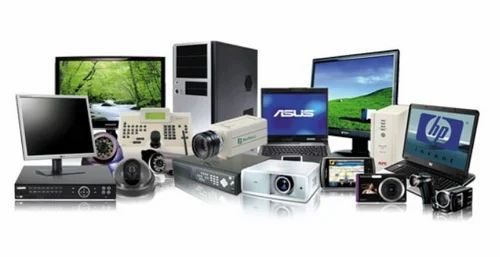
Cascade Computer Trading is one of the leading hardware companies in Ajman, specializing in providing a wide range of computer products and accessories to meet the needs of businesses and individuals alike. With a focus on quality and reliability, Cascade Computer Trading offers a diverse selection of hardware solutions, including desktops, laptops, servers, networking equipment, and peripherals.
Hardware Companies in Ajman:-
Ajman, a bustling city in the United Arab Emirates, is home to a wide range of hardware companies that cater to various industries and sectors. These hardware companies in Ajman offer a diverse range of products, including construction materials, tools, equipment, and accessories. Whether you are a contractor, builder, or simply a DIY enthusiast, you can find everything you need to complete your projects efficiently and effectively.
Poll: Security Features:
a. Top Priority – Strong Emphasis on Security Measures
b. Important – Considering Security as a Key Factor
c. Minimal – Basic Security Measures are Adequate


Comments